
Hair Restoration: A Complete Guide to Restoration Options, Costs, and Choosing a Clinic
You catch your reflection and notice it. Maybe your hairline has crept back a little further than last year. Maybe the temples have thinned, or the crown is starting to show through. For many men, this can be an emotional experience. If you've been searching for hairline restoration, wondering about the best hair transplant near me, or looking for men's hair restoration near me, you're not alone. Hair loss is common, and there are several treatment and restoration options available today. This guide will walk you through the causes of hair loss, the procedures available, factors to consider when choosing a clinic, what recovery may involve, and potential costs.
Why Hairlines Recede: Understanding What's Happening
Hair loss can follow recognizable patterns. For many men, genetics play an important role. If close family members experienced pattern hair loss, your risk may also be higher. One factor involved in male pattern hair loss is dihydrotestosterone (DHT), a hormone that can contribute to the gradual miniaturization of susceptible hair follicles. The result can include a receding hairline, thinning at the crown, and further hair loss in affected areas.
Other factors can contribute to or accelerate hair loss, including stress, certain medications, medical conditions, nutritional issues, and significant changes in diet. For men seeking hairline restoration, identifying the underlying cause is important because treatment options and expected results depend on the individual's condition. A medical professional can help determine the appropriate diagnosis and treatment approach.
The Two Main Approaches: Surgical vs. Non-Surgical
Before you start searching for the best hair transplant near me, it's worth understanding the available options. Not everyone needs surgery, and not everyone is a suitable candidate for a transplant.
Non-surgical options include medications such as finasteride and minoxidil. Finasteride can reduce the conversion of testosterone to DHT and may help slow hair loss in appropriate patients. Minoxidil may promote hair growth in some people, although response can vary by individual and treatment area. These medications generally require continued use to maintain their effects, and stopping treatment may result in renewed hair loss. A healthcare professional can explain potential benefits, risks, and suitability.
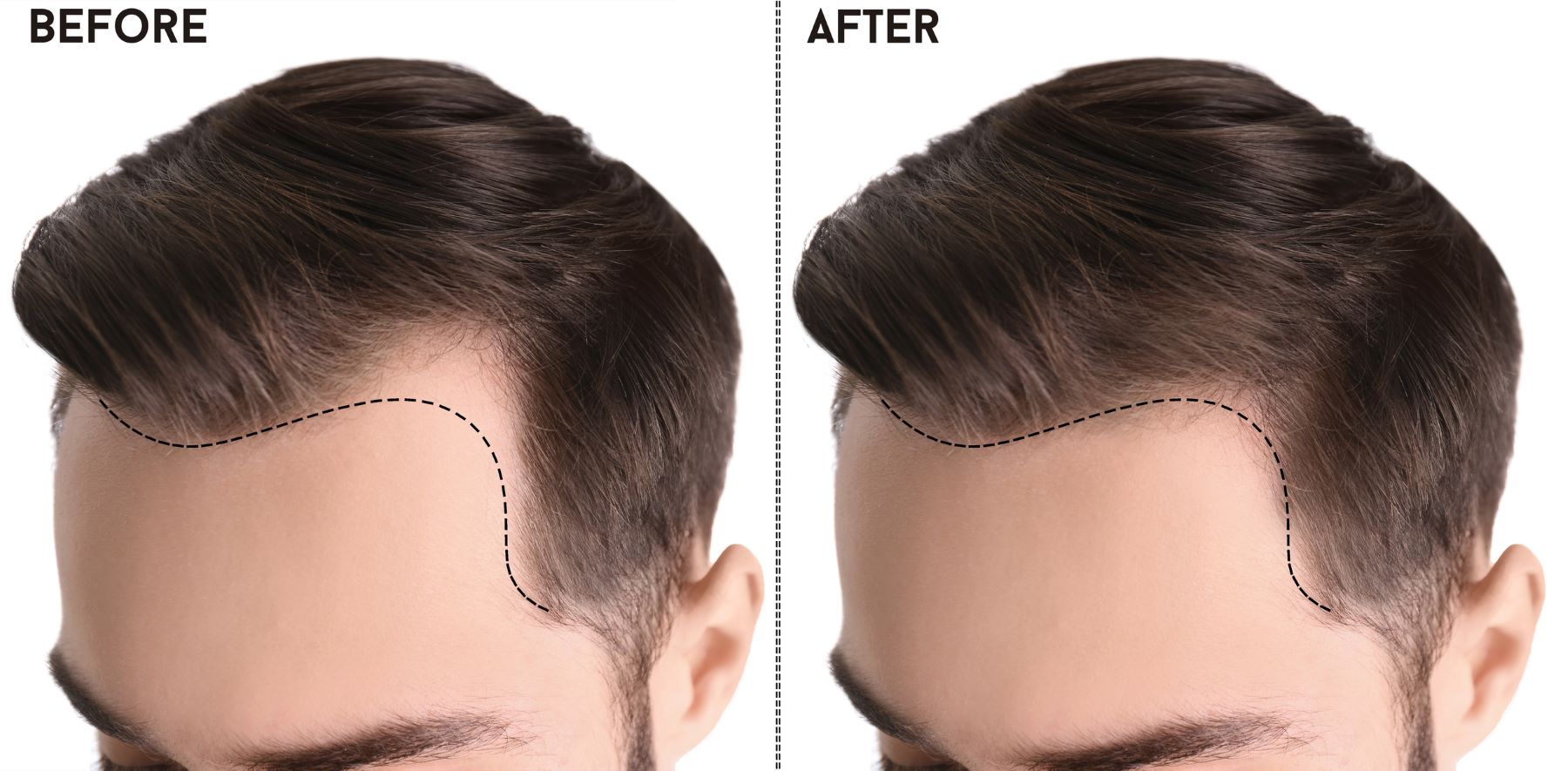
Low-level laser therapy uses low-intensity light to target the scalp and may support hair growth in some people. It is generally considered a non-invasive option, but results can vary and may be limited.
Platelet-rich plasma (PRP) injections involve drawing blood, processing a portion of it, and injecting the platelet-rich component into the scalp. PRP is used by some clinics as a treatment for certain types of hair loss. Evidence and individual responses vary, and treatment may involve multiple sessions and maintenance.
Surgical hair restoration involves transferring hair follicles from a donor area to areas affected by thinning or hair loss. Transplanted follicles may retain characteristics of the donor area, but outcomes depend on factors such as donor supply, the cause and progression of hair loss, surgical technique, and individual healing. A consultation with a qualified medical professional is important before deciding whether surgery is appropriate.
- Finasteride (medication): Generally requires ongoing use; may be considered for certain types of early hair loss. Cost varies by prescription, provider, location, and product.
- Minoxidil (medication): Generally requires ongoing use; may be used for certain patterns of thinning. Cost varies by product and provider.
- PRP injections: Usually require a treatment plan that may involve multiple sessions; cost varies substantially by clinic and location.
- Low-level laser: Usually requires ongoing use; suitability and results vary. Device and treatment costs vary by product.
- Hair transplant: A surgical option for selected patients with suitable donor hair. Costs vary according to graft number, technique, clinic, location, and other factors.
Hair Transplant Methods: FUT vs. FUE
If you're researching the best hair transplant near me, you'll encounter two main techniques. Understanding the difference can help you discuss the options with a qualified surgeon.
FUT (Follicular Unit Transplantation), also called strip harvesting, involves removing a strip of skin from the back or side of the scalp. The strip is divided into individual follicular units, which are then transplanted. The donor area is closed with sutures, resulting in a linear scar. FUT can allow a relatively large number of grafts to be harvested in a session, but the suitability of the technique depends on the patient's circumstances. The linear scar may be more noticeable with very short hairstyles.
FUE (Follicular Unit Extraction) involves harvesting individual follicular units directly from the donor area using a small punch instrument. Instead of one linear scar, FUE generally results in multiple small scars that may be less noticeable after healing. Recovery experiences vary, and the procedure can be more time-intensive depending on the number of grafts and technique used.
FUE is widely offered by hair restoration clinics, but the appropriate technique depends on the patient's donor supply, hair characteristics, treatment goals, and the surgeon's assessment. For men's hair restoration near me searches, it is useful to compare the technique, provider qualifications, expected results, risks, and total cost rather than selecting a procedure solely by name.
- Scarring: FUT generally produces a linear donor scar, while FUE generally produces multiple small donor scars.
- Recovery: Recovery time varies according to the procedure, number of grafts, individual healing, and medical instructions.
- Discomfort: Both procedures involve local anesthesia, and temporary discomfort or soreness can occur.
- Cost: Pricing varies by clinic, location, technique, and number of grafts.
- Suitability: The appropriate method depends on individual characteristics and the surgeon's assessment.
How Many Grafts Do You Need?
Grafts are individual follicular units transplanted during surgery. Each graft can contain one or more hairs. The number of grafts needed depends on the extent of hair loss, donor supply, hair characteristics, desired density, and the treatment area.
A hairline restoration may require a range of grafts depending on the extent of recession and the desired design. A crown restoration can also require a different number of grafts depending on the size and characteristics of the thinning area.
More extensive hair loss may require a larger number of grafts and, in some cases, more than one procedure. Your surgeon can assess your donor supply—the density and quality of hair available from the donor areas—and discuss what may be realistically achievable.
Because donor supply is limited, a qualified surgeon should consider both current hair loss and the possibility of future progression when developing a treatment plan.
How to Find a Hair Clinic Near You
The phrase best hair clinic near me is commonly used when researching providers. However, the most appropriate clinic depends on factors such as qualifications, experience with the relevant procedure, medical evaluation, communication, costs, and individual treatment needs.
Check professional qualifications. Look for appropriately licensed medical professionals and relevant board certification or professional credentials applicable to your location. In the United States, for example, the American Board of Hair Restoration Surgery (ABHRS) is one credential that patients may research. Verify credentials directly with the relevant professional organization.
Ask about the clinic's experience. Find out which procedures the clinic performs, who will carry out the surgical portions of the procedure, and what level of medical supervision is provided.
Look at before-and-after photos. A clinic may provide examples of previous patients, but photographs should be interpreted carefully. Look for cases with similar hair loss patterns and characteristics, and ask whether the images represent actual patients treated by the clinic.
Read reviews across multiple platforms. Reviews can provide information about patient experiences, but they are not a substitute for professional credentials, medical evaluation, or independent research. Look for recurring patterns rather than relying on a single review.
Consider consultations with multiple clinics. Where practical, consultations with more than one provider can help you compare the proposed technique, graft estimates, expected outcomes, risks, recovery instructions, and total costs.
- Professional credentials: Helps you verify relevant education, licensing, and specialized training.
- Experience: Can provide context about the provider's experience with the procedure being considered.
- Before-and-after photos: Can help you understand the types of results the clinic reports, while individual results may differ.
- Patient reviews: Can reveal recurring positive or negative experiences but should be considered alongside other information.
- Consultation quality: Gives you an opportunity to ask about treatment options, risks, recovery, and costs.
What to Expect on Procedure Day
If you've chosen surgery for hairline restoration, understanding the general process can help you prepare.
On the day of the procedure, the donor area may be trimmed depending on the technique. Local anesthesia is typically used. You are generally awake during the procedure, although you may experience pressure, movement, or temporary discomfort.
For FUE, individual grafts are extracted from the donor area using a small punch instrument. The extraction phase can take several hours depending on the number of grafts and the treatment plan. The grafts are then prepared for placement.
The recipient area is anesthetized, and small openings are created where the grafts will be placed. The placement phase can take additional hours. The total procedure time varies according to the number of grafts, technique, clinic workflow, and individual circumstances.
Some clinics allow patients to listen to music, watch entertainment, or rest during the procedure. Services such as meals or refreshments vary by clinic.
Recovery: What to Expect Week by Week
Recovery from a hair transplant varies between patients and procedures. Your clinic's specific post-operative instructions should take priority.
Days 1 to 3: Small scabs around the grafts and temporary swelling may occur. Patients are generally instructed to protect the treated area and follow the clinic's washing and sleeping instructions.
Days 4 to 7: Scabs may begin to loosen and fall away. Gentle scalp washing may be introduced according to the provider's instructions. Some people return to work within the first week, while others may require additional recovery time.
Weeks 2 to 4: Transplanted hairs may shed as part of the normal post-transplant process. This does not necessarily indicate treatment failure, but any concerns should be discussed with the treating clinic.
Months 3 to 6: New growth may begin to appear. The timing and rate of growth vary considerably between individuals.
Months 8 to 12: Further growth and thickening may occur. The final appearance can take longer than 12 months for some patients, and outcomes vary.
- Days 1–3: Possible scabbing and temporary swelling.
- Days 4–7: Scabs may shed; return-to-work timing varies.
- Weeks 2–4: Transplanted hairs may shed.
- Months 3–6: New growth may begin.
- Months 8–12 and beyond: Further growth and maturation may occur.
Cost of Hair Restoration: What You'll Really Pay
Cost is one of the biggest concerns for men researching men's hair restoration near me. Prices can vary widely based on technique, number of grafts, geographic location, clinic, surgeon, anesthesia, and other services included in the treatment plan.
Published price ranges can change over time and should be treated as general estimates rather than guaranteed prices. A consultation and written treatment quote are more useful for determining the actual cost for an individual procedure.
The total cost may include some combination of the surgeon's fee, procedure-related services, anesthesia, medications, and follow-up care. Additional treatments such as finasteride, minoxidil, or PRP may involve separate costs.
Some clinics offer package pricing or financing for larger procedures. When comparing prices, look beyond the headline figure and ask what is included, who performs each part of the procedure, whether follow-up care is included, and whether additional costs may apply.
- Minor hairline restoration: The number of grafts and total cost vary by patient and clinic.
- Moderate hairline restoration: Costs depend on graft requirements, technique, location, and provider.
- Extensive restoration: A larger number of grafts can increase the total cost and may require more than one procedure.
- Multiple-session restoration: Total costs depend on the number of procedures and the treatment plan.
Does Insurance Cover Hair Transplants?
Hair transplants are often considered cosmetic procedures and may not be covered by standard health insurance, but coverage depends on the policy and the reason for treatment. Check directly with your insurer rather than assuming that a procedure is covered or excluded.
Some clinics offer financing through third-party medical lenders, which may spread the cost over a specified period. Interest rates, fees, eligibility requirements, and repayment terms vary, so review the full financing agreement before accepting an offer.
Flexible spending accounts (FSAs) and health savings accounts (HSAs) may have specific rules regarding eligible medical expenses. Eligibility can depend on the circumstances and plan requirements, so check with your plan administrator or tax professional before using these accounts.
Common Questions About Hairline Restoration
How long do results last?
Transplanted follicles may retain characteristics of their original donor area, but long-term outcomes vary. Non-transplanted hair can continue to thin as part of ongoing hair loss. A medical professional can discuss whether treatments such as finasteride or minoxidil may be appropriate for protecting remaining hair.
Is the procedure painful?
Local anesthesia injections can cause temporary discomfort or stinging. During the procedure, patients may experience pressure or movement, and soreness or discomfort can occur afterward. Individual experiences vary.
Will it look natural?
A natural-looking result depends on factors including hairline design, graft placement, donor characteristics, surgical technique, healing, and the patient's individual hair characteristics. Results vary, so a consultation and review of relevant patient examples can help set realistic expectations.
Can women get hair transplants?
Yes, some women with certain forms of hair loss may be candidates for hair transplantation. Female hair loss can have different causes and patterns, so an appropriate medical evaluation is important before considering treatment.
What if I don't have enough donor hair?
Some people have limited donor supply because of diffuse thinning or other factors. Body hair transplantation may be considered in selected cases, but results and suitability can vary. A qualified surgeon can assess donor availability and discuss realistic options.
Your Next Step
Hair loss can affect how you see yourself, and seeking information about treatment is a personal decision. Modern hairline restoration techniques provide several options, but suitability, risks, costs, and results vary from person to person.
Start with research. If you're searching for the best hair transplant near me, compare professional credentials, treatment techniques, patient information, costs, recovery expectations, and consultation experiences. Ask questions about graft counts, who performs each part of the procedure, potential risks, and expected outcomes.
A consultation with an appropriately qualified medical professional can help determine whether hair restoration is suitable for you and which options may be appropriate for your individual circumstances.