Your Roof Is Talking. Are You Listening? A Homeowner’s Guide to Replacement, Cost, and Finding the Right Roofer
It starts quietly. A few granules in the gutter. A ceiling stain you convince yourself is just "old paint." A neighbor’s roof being replaced while you wonder if yours is next. Roofs don’t last forever. They protect everything inside—and when they fail, the cost of waiting often exceeds the cost of replacing. If you’ve been thinking, i need a new roof, or searching for best price roofers near me, you’re in the right place. This guide will walk you through when to replace, how to find a reliable contractor, what to expect in terms of cost, and how to avoid the mistakes that leave homeowners paying more than they should.
The Signs: When to Stop Patching and Start Replacing
Most roofs last 20 to 25 years, but shingles age differently depending on climate, ventilation, and maintenance. Waiting too long can turn a straightforward replacement into a more expensive job with structural damage. Here’s what to look for.
Curling or buckling shingles mean the asphalt has dried out and lost its ability to seal. If shingles are lifting at the edges or cupping in the middle, they’re no longer protecting the roof deck underneath.
Granules in the gutters are normal after a storm, but if you’re finding them consistently, your shingles are losing their protective layer. Bald spots on shingles mean they’re close to the end of their life.
Daylight through the roof boards is an obvious one. If you can see light coming through your attic ceiling, water is coming in too. That’s not a repair—it’s an emergency.
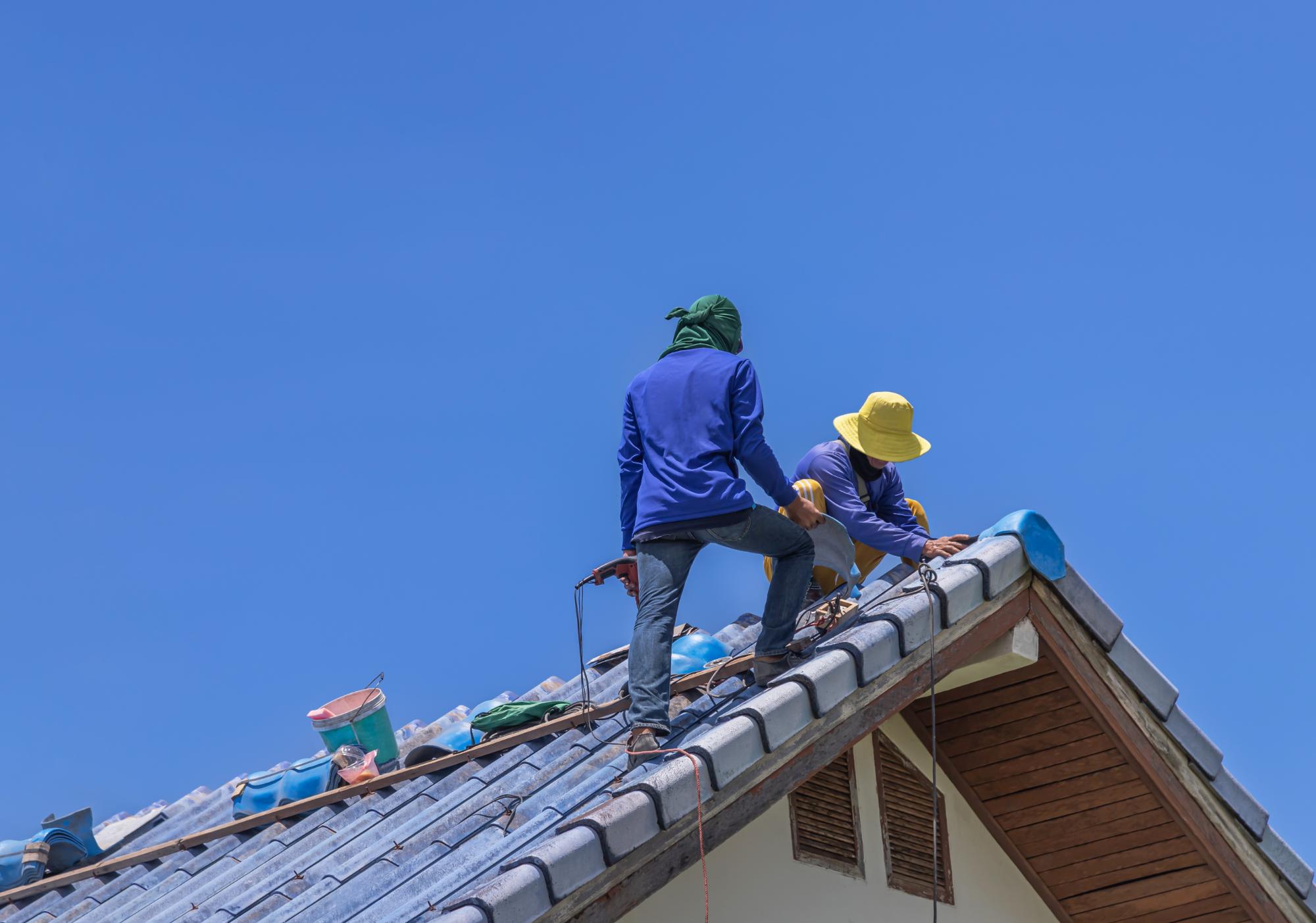
Leaks and water stains inside your home often start far from where the water actually enters. A small leak today can mean mold, rot, and compromised insulation by the time you notice it.
If you’re seeing any of these, it’s time to stop searching for patches and start looking for commercial roofers in my area (if it’s a business) or residential specialists.
| Sign | What It Means |
|---|---|
| Curling or missing shingles | Shingles have exceeded their lifespan |
| Granules in gutters | Protective layer is deteriorating |
| Daylight through roof boards | Holes or gaps exposing interior |
| Water stains on ceilings | Active leak requiring immediate attention |
| Sagging roof deck | Potential structural failure—urgent |
Finding the Right Roofer: Beyond the Lowest Bid
The phrase best price roofers near me is one of the most searched terms in home improvement. But “best price” doesn’t mean the same thing as “lowest price.” A roof is a long-term investment. Cutting corners on labor or materials can cost you double when the job fails early.
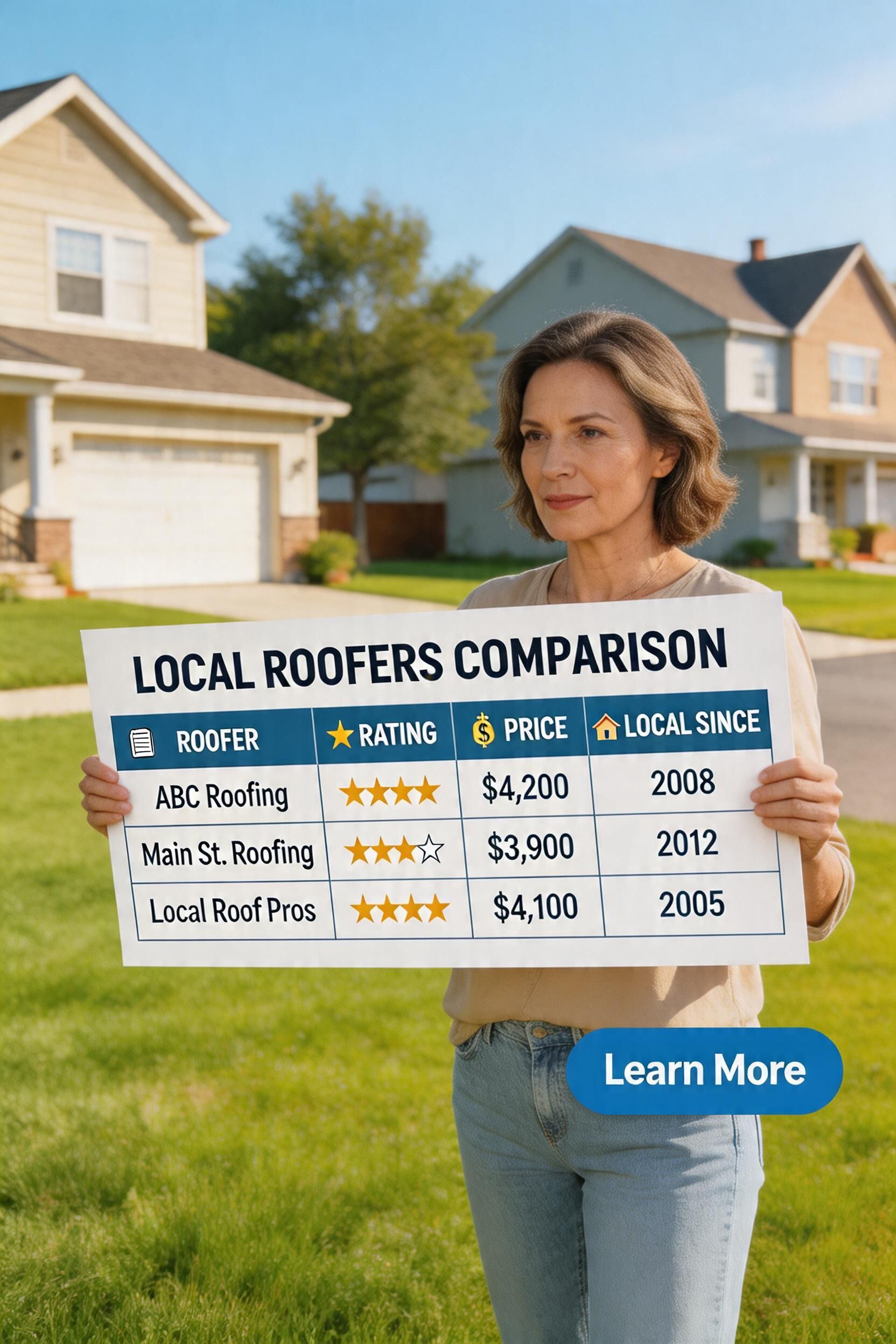
Start with local, established companies. Roofers who’ve been in business for more than five years in your area have a reputation to protect. They also know local building codes, permitting requirements, and which materials hold up in your climate.
Check licensing and insurance. In most states, roofers need a license to operate. They also need liability insurance and workers’ compensation. If a roofer shows up without insurance, you could be held liable if someone gets hurt on your property.
Look at reviews, but read them critically. A few bad reviews in a sea of good ones are normal. Patterns of complaints about the same issue—poor cleanup, missed deadlines, aggressive sales tactics—are red flags.
Ask for references and recent photos. A reputable contractor will have a portfolio of completed jobs. Ask for local references you can call or even drive by to see the work.
| What to Check | Why It Matters |
|---|---|
| Years in business | Indicates stability and reputation |
| State license | Required for legal operation |
| Insurance (liability + workers’ comp) | Protects you from liability |
| Local references | Real proof of quality work |
| Written estimate | Prevents surprise charges |
The Cost of Replacing Your Roof: What to Expect
If you’ve been putting off replacing your roof because you’re worried about the cost, you’re not alone. Roof replacement is one of the larger home expenses. But understanding what goes into the price can help you budget and avoid being overcharged.
The national average for a roof replacement in the U.S. ranges from $5,000 to $12,000 for an asphalt shingle roof on an average-sized home. Larger homes, steep pitches, and premium materials like metal or slate can push that to $20,000 or more.
What’s included in that price?
Tear-off and disposal: Removing old shingles, underlayment, and hauling them away.
Underlayment: A water-resistant barrier installed directly over the roof deck before shingles go on.
New shingles: The material itself. Asphalt is most common; metal, tile, and slate cost more.
Flashing and vents: Metal flashing around chimneys, skylights, and valleys; ridge vents for attic ventilation.
Labor: Skilled crews to install everything correctly.
What can add cost?
Deck repair: If the plywood underneath is rotten, it needs replacing. This is often discovered during tear-off.
Steep roof: Roofs with a pitch above a certain angle require additional safety equipment and slower work.
Multiple layers: If there are already two layers of shingles, removing a third adds labor and disposal fees.
Permits: Most municipalities require a permit for roof replacement, which adds $200 to $500.
| Cost Factor | Typical Range |
|---|---|
| Asphalt shingle roof (average home) | $5,000–$12,000 |
| Tear-off and disposal | $1,000–$2,500 |
| Deck repair (per sheet) | $50–$100 per sheet of plywood |
| Premium materials (metal, slate) | $15,000–$30,000+ |
| Permit fees | $200–$500 |
Commercial Roofing: What’s Different
If you’re searching for commercial roofers in my area, the considerations are different. Commercial roofs are often flat or low-slope, requiring different materials and installation methods. They also have different regulations and often larger footprints.
Flat roofs use materials like TPO, EPDM, or modified bitumen rather than shingles. These materials require specialized installation to prevent ponding water and leaks. Commercial roofers also handle larger logistics—coordinating with tenants, working around business hours, and managing larger crews.
Cost for commercial roofs is typically measured per square foot rather than per square (a square is 100 square feet). Expect to pay $4 to $8 per square foot for TPO or EPDM, depending on the complexity of the building and the number of penetrations (vents, HVAC units).
Common Questions About Roof Replacement
How long does a roof replacement take?
For a typical home, a crew can tear off and install a new roof in one to three days. Weather delays, deck repairs, or complex roof designs can extend that timeline.
Do I need to be home during the replacement?
Not necessarily, but it’s helpful to be available at the start to discuss details and at the end for a final walkthrough. You’ll need to be prepared for noise and vibration throughout the day.
Will my insurance cover roof replacement?
If the damage is from a storm, fire, or other covered peril, your homeowners insurance may cover part or all of the cost. Age-related wear and tear is typically not covered. Always get an estimate before filing a claim—and ask your roofer about their experience working with insurance adjusters.
What’s the best time of year to replace a roof?
Spring and fall are ideal—moderate temperatures help shingles seal properly. Roofers are busiest then, so you may pay a premium. Winter and summer are possible but require experienced crews who know how to work with seasonal challenges.
Red Flags: How to Avoid Roofing Scams
Roofing is a legitimate industry with many honest professionals. Unfortunately, it also attracts scammers, especially after storms. Here’s how to protect yourself.
“We have leftover materials from a job nearby.” This is a classic scam. Legitimate roofers don’t store leftover materials in their truck waiting for a homeowner.
High-pressure sales tactics. If a roofer says you need to sign today or the price goes up, walk away. A reputable contractor will give you time to think and compare quotes.
Requesting full payment upfront. A deposit is normal. Full payment before the job starts is not. Most contractors ask for a deposit (often 10% to 20%) and final payment after completion and inspection.
Out-of-state licenses or temporary phone numbers. Local roofers with local offices are easier to hold accountable if something goes wrong.
Preparing for Your Roof Replacement
Once you’ve chosen a contractor, a little preparation makes the process smoother.
Clear the driveway. The crew will need space for their truck, trailer, and dumpster. Let your neighbors know if parking will be affected.
Move outdoor furniture. Vibration from the work can shake dust and debris. Anything within range of the roof should be moved or covered.
Cover attic items. If you have stored items in your attic, consider moving them or covering them with tarps to protect from dust.
Expect noise. It’s loud. Pets and small children may need accommodations during the workday.
Final Thoughts: Protect Your Home by Protecting Your Roof
A new roof isn’t just a home improvement project. It’s the single most important investment you can make in protecting everything underneath it. If you’ve been putting off the decision—hoping the leak would stop, convincing yourself the shingles will last one more year—you’re not alone. But the cost of waiting is real. Water damage, mold, insulation loss, and structural rot add up faster than a replacement.
Start with local, licensed roofers. Ask the right questions. Compare estimates. And when you’re ready, replace your roof with the confidence that comes from knowing you made the choice before the roof made it for you.