
Recent chaos shows investors are better off sticking to a plan and avoiding market timing

Traders work on the floor of the New York Stock Exchange.
Why Market Chaos Is the Worst Time to Trade: Lessons from April's 12% Plunge
New York — The rollercoaster ride of the S&P 500 in April—plunging roughly 12% from its April 2 high before sharply rebounding—has delivered a stark, real-time lesson in investor psychology. The central takeaway for professionals and individuals alike is unequivocal: attempting to trade during periods of extreme volatility is a proven wealth-destroying strategy.
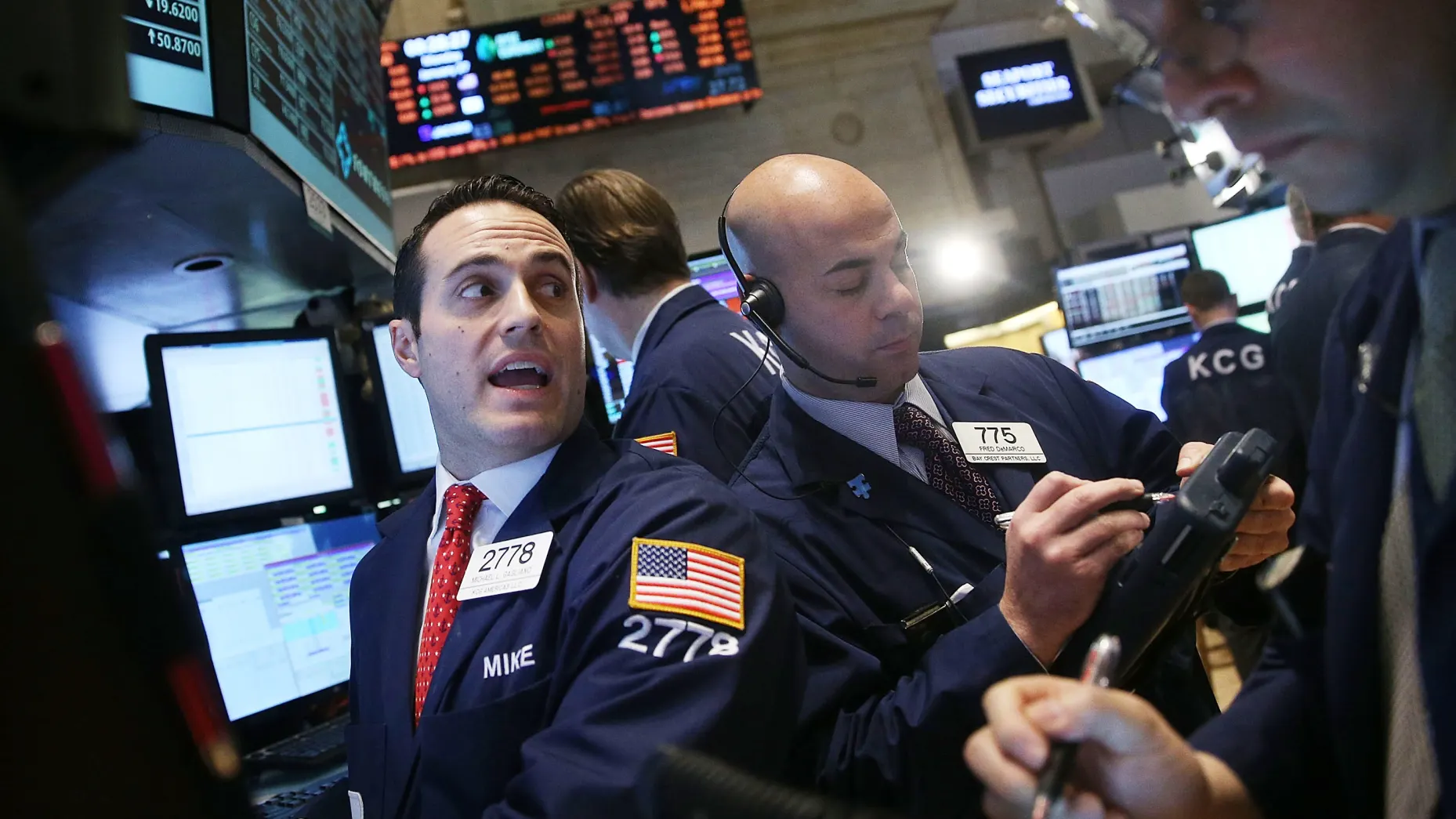
“This is a stellar example of why it is a very bad idea to try to trade during market chaos,” the report emphasized. Investors who sold in a panic during the downturn, hoping to buy back lower, likely locked in losses and missed the subsequent recovery. The episode reinforces the timeless principle that sticking to a disciplined, long-term plan outperforms emotional market timing.
Volatility is the Price of Admission for Higher Returns
The sharp decline served as a reminder that stock market risk and return are intrinsically linked. Historically, U.S. equities have returned an average of 10.2% annually since 1926, significantly outpacing Treasury bills, but this premium comes with inevitable downturns.
“If investors want stocks to provide high expected returns, bear markets (while painful to endure) should be considered a necessary evil,” wrote investing expert Larry Swedroe. Data shows that 10% declines occur roughly every year or two, while 20% bear markets strike about once every four to five years. April's sell-off, approaching 19% from the February peak, was a brush with this standard threshold.
The Critical Discipline: Inaction Over Reaction
The true test of an investment strategy occurs during these stressful periods. Behavioral finance consistently shows that investors underperform their own investments due to excess trading driven by fear and greed. “In bear markets, fear and panic take over, and even well-thought-out plans can end up in the trash heap of emotions,” Swedroe noted.
The recommended antidote is a combination of self-awareness and simplicity:
Honest Risk Assessment: Investors must not take on more risk than they can tolerate emotionally. Sleepless nights over paper losses are a signal to reassess allocation.
Embrace Passive Strategies: Disabusing oneself of the notion that one can outsmart chaos is key. Swedroe advocates for “long-term investing in low-cost index funds,” where “excitement and expenses are the enemies.”
Perspective is Everything: Recognizing that quarterly losses are a standard part of the long-term high-stakes race of equity investing helps maintain course. The strategic pivot should happen during calm planning sessions, not in the heat of a market panic.
Recent
News



Newsletter
Subscribe to our mailing list to get the new updates!

Subscribe our newsletter to stay updated
Most
Reviews
Finance

- Mon, 26 Jan 2026
UK to cap ground rents paid to freeholders
Politics

Finance

- Sun, 25 Jan 2026
Pension buyout deals slow as big companies weigh retaining schemes
Wealth

Wealth