
Billund, Denmark/London — Lego's strategic alliance with Formula 1 is proving to be a high-octane driver of growth and engagement, successfully merging the worlds of precision motorsport and creative play. Launched in 2025, the partnership has fueled record revenue for the privately held toy giant and expanded the fan base for both brands, showcasing a masterclass in cross-demographic marketing.
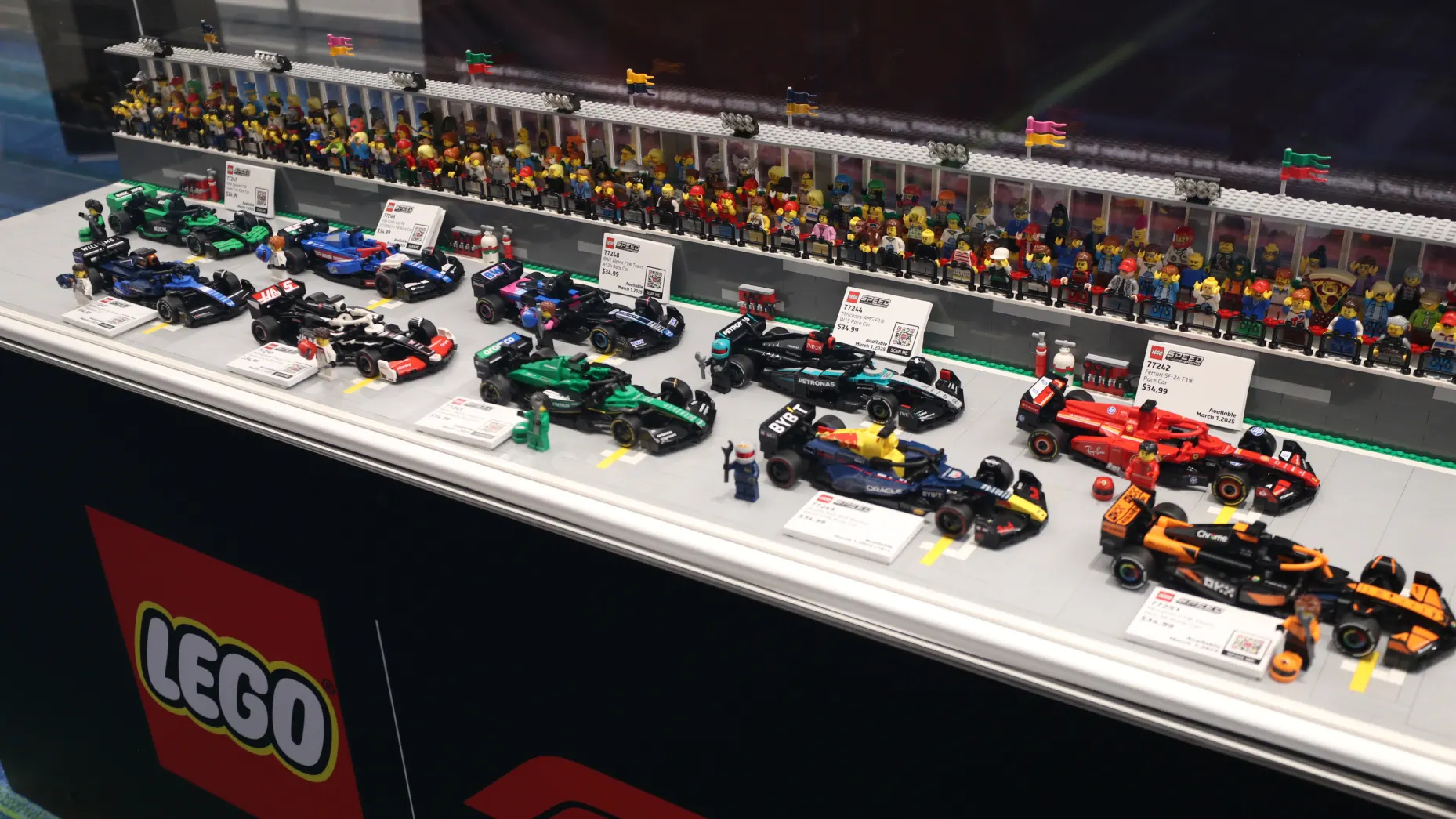
The collaboration has translated into a full ecosystem of products, from Duplo sets for preschoolers to advanced Technic models of race cars with team-accurate liveries. This strategic pivot into a "cultural juggernaut," as toy industry expert James Zahn describes F1, contributed to Lego's 12% year-over-year revenue growth in the first half of 2025. "We felt that we could really tap into that and deliver something very unique," said Lego's Chief Marketing Officer, Julia Goldin.

Beyond Shelves: Building Immersive Experiences
Lego's approach extends far beyond retail boxes. The company has embedded itself in the F1 spectacle through high-profile track-side activations, including crafting a brick trophy for the British Grand Prix podium and chauffeuring top drivers in a life-size pink Lego Cadillac in Las Vegas. These experiences create viral moments and deepen emotional connections with fans, effectively participating in the sport's high-stakes race for global attention.
The synergy is mutual. As F1 enjoys record U.S. viewership and a broadening demographic—with women representing one of its fastest-growing fan segments—Lego gains access to a passionate, trend-forward audience. Conversely, Lego introduces its vast community to the drama of motorsport, creating a virtuous cycle of cross-pollination within a dynamic competitive ecosystem of entertainment brands.

Accelerating into 2026: A Sponsorship with Purpose
Building on the inaugural year's success, Lego is shifting gears for 2026 by becoming a team sponsor in the all-female F1 Academy racing series. The brand will back 20-year-old Dutch driver Esmee Kosterman, aligning its values of inclusivity with F1 Academy's mission to develop female talent in a male-dominated sport.

"This is a very important element of bringing more attention... to the credibility and authenticity of women participating in motorsports," Goldin stated. This next-phase strategic maneuver moves Lego from a licensing partner to an active participant in shaping the sport's future, leveraging its brand power to support diversity while authentically engaging a key growth audience. The partnership exemplifies how a timeless toy brand can stay culturally relevant by strategically locking into contemporary trends and movements.